


The SAHN.BA Ecosystem
Different kinds of work need different places—but they can meet around the same real question.Different paths, connected by shared work.
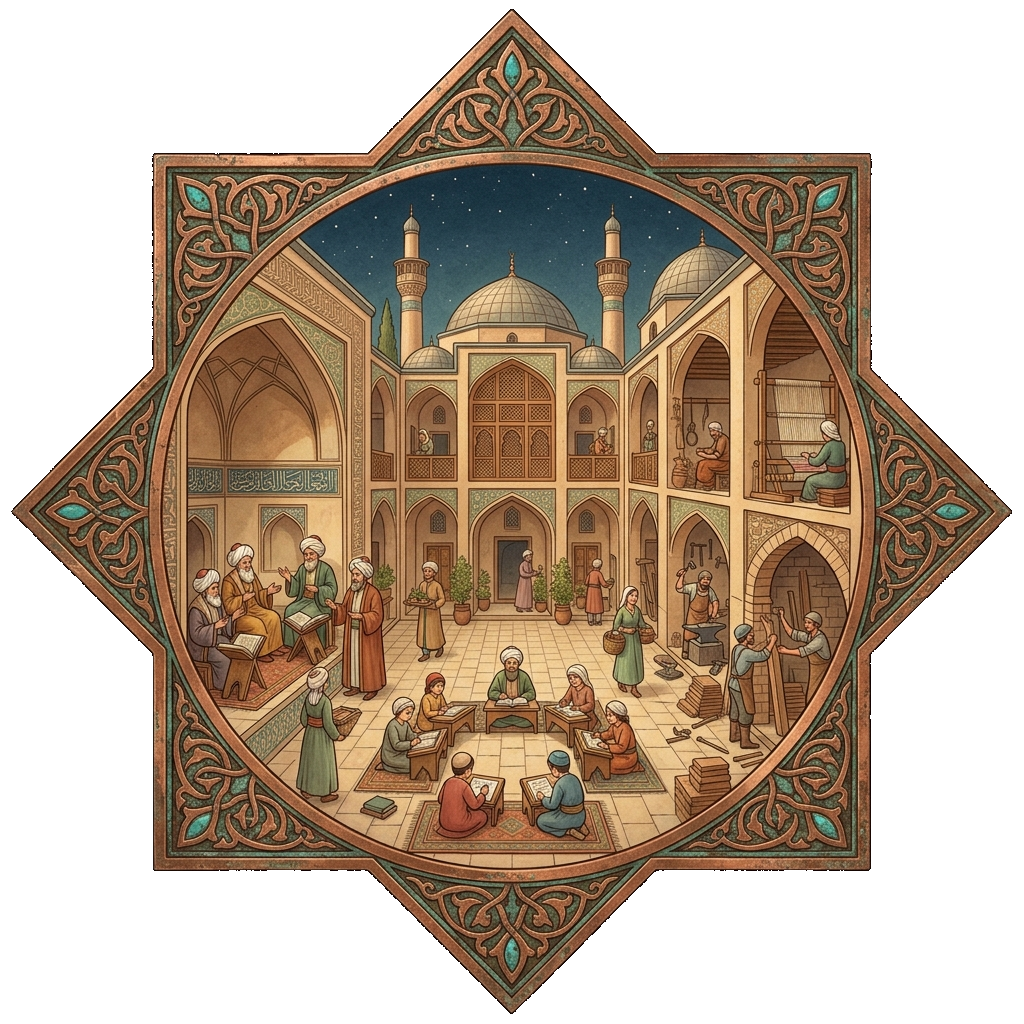
Technology, vocation, family life, education, the living world and service are not the same. The SAHN.BA Ecosystem keeps these differences visible and connects the people and places needed to understand a question, test an idea, build a response, work in the field or make useful work available to others.
A shared outlook · Different fields · Shared responsibility
Why an ecosystem?
Knowledge alone, technology alone or good intentions alone cannot carry a real question.
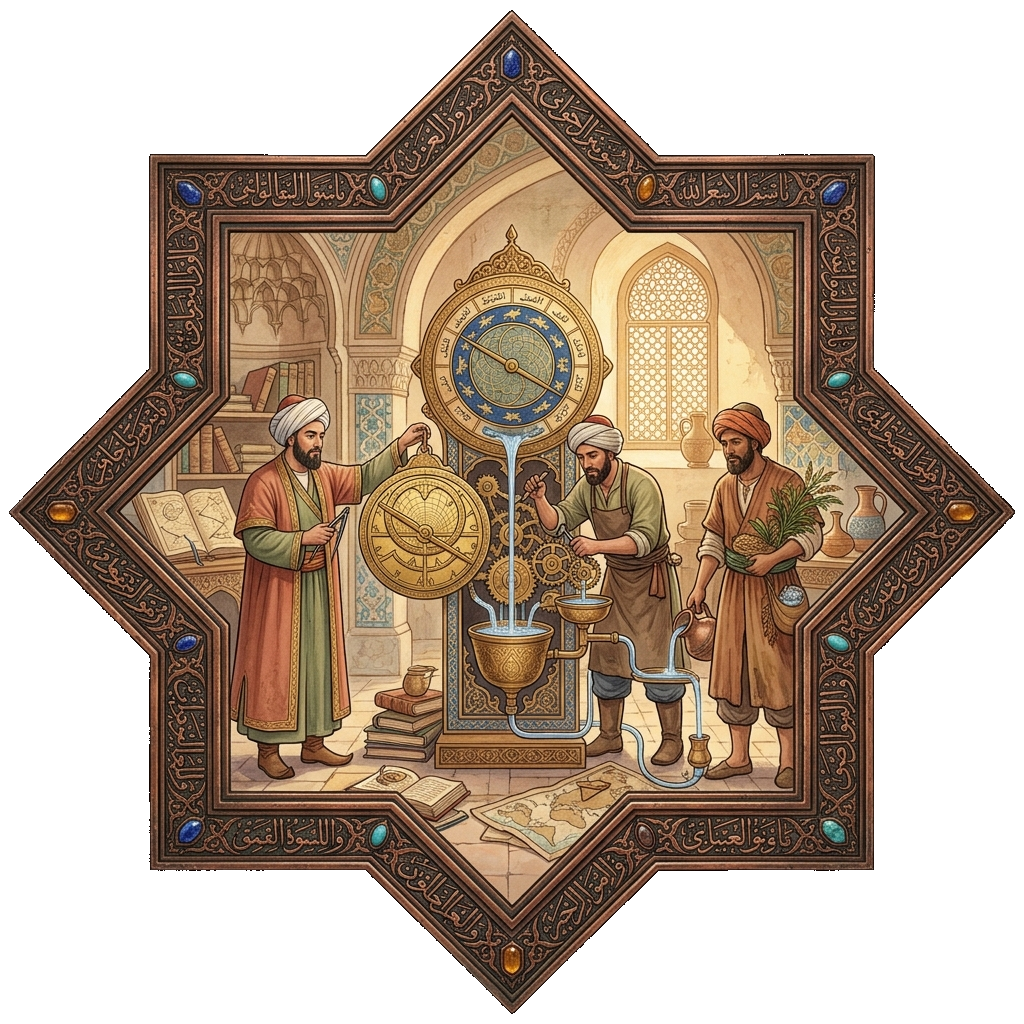
Protecting a child’s digital privacy may require a family, a teacher, a lawyer, a designer and a software developer. A question about farming may involve growers, soil, water, local knowledge and appropriate technology. An ecosystem does not flatten these differences. It recognises what each person and field can contribute, then brings them together when the question calls for it.
SAHN.BA does not turn every field into a department of one centre; it builds useful relationships while respecting their different responsibilities.
Different pathways, different roles
Each pathway helps with a different part of the work.
RUYAH — understand the outlook
Explore how we approach people, knowledge, the living world and human-made representations without confusing one with another.
Mission and Circle — understand the question together
Listen to people who live with the issue and learn with others across languages and vocations.
Labs and Build — test, learn and make
Test uncertainty on a small scale. If the need is real, build a response with people who can take responsibility for its use and care.
KARDESH — carry vocational knowledge across generations
Bring craft, professional practice and guidance into relationships where experienced people help apprentices and younger learners grow.
Valley and SAFAR — meet life beyond the screen
Learn through land, place, travel, craft, service and real relationships. Keep digital tools connected to life rather than replacing it.
WAQF and NEMA — share useful work and help it endure
Make suitable work available for wider HAYR while respecting rights and labour. When ongoing care needs income, choose a responsible path for growth.
There is no single pipeline
The question determines which path is needed; not every piece of work follows every stage.
These examples show how work can begin, pause, change direction or remain intentionally small.
A family may only need a learning circle
A question about screens and attention may be met by building a shared language and a few household practices. It may not need a product at all.
A Mission may stop after a test
If a Lab does not confirm the assumption, there is no reason to move into Build. Record what was learned, revise the idea or let it go.
A vocational need may lead to a digital Build
A profession circle can carry the real need and domain knowledge while a BAI Builder team develops an appropriate digital tool.
Field experience may raise a new question
Something encountered in Valley or during SAFAR may begin a new Circle, Mission, Lab or KARDESH collaboration.
A useful work may remain limited in scope
Not every Build should be published openly or scaled. It may serve one school, family, vocation or place and remain carefully bounded.
A work may continue through WAQF or NEMA
When rights, boundaries and care are clear, a work can be shared more widely. If it needs income to continue, it can follow a responsible growth path.
What holds the ecosystem together?
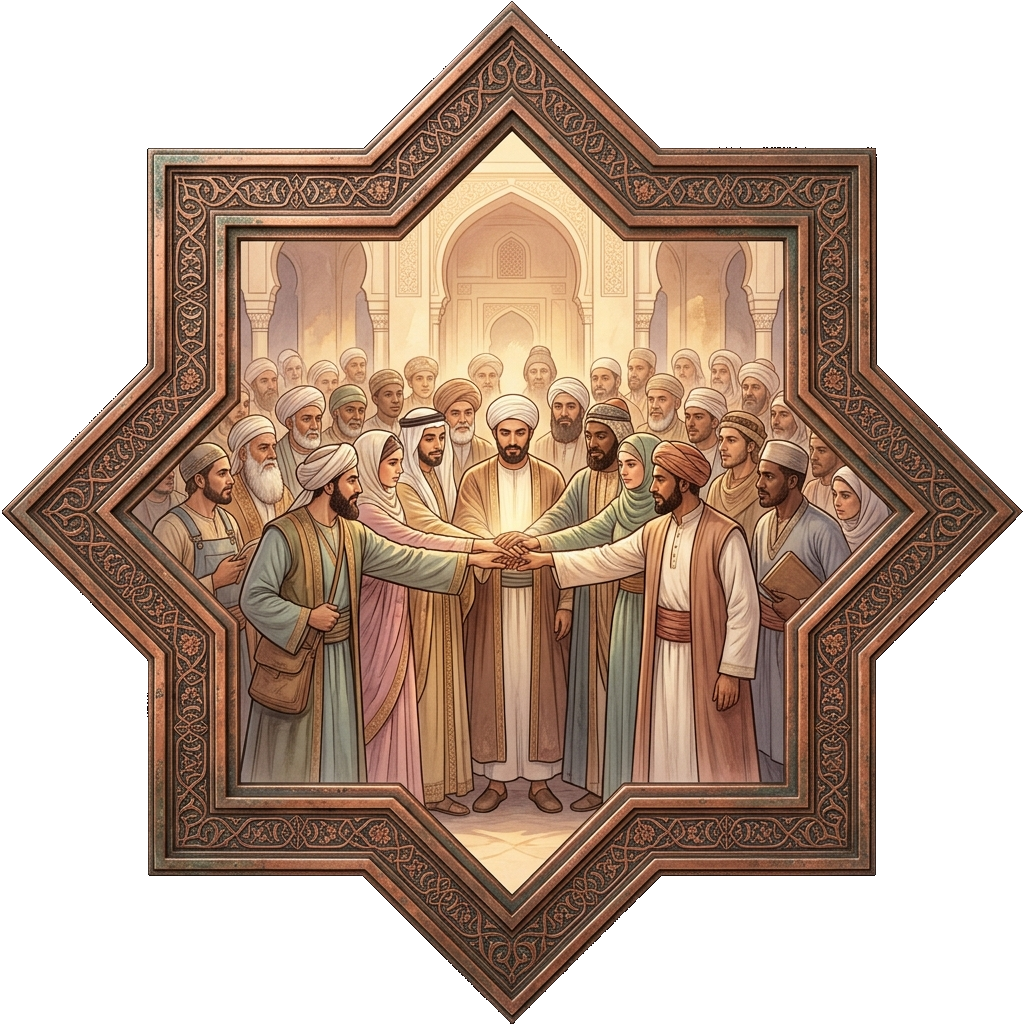
Not one technology stack, but the ability to work together across languages, vocations and generations.
People take root in their mother tongue, become a neighbour in another language, bring their craft to a shared question and help the next generation grow. This is how MİLLET becomes practical: not by making everyone identical, but by learning to think together, respect one another’s limits and share responsibility for the result.
Deep skill is protected; wider understanding and intergenerational responsibility are developed.
Ways to begin
You do not need to learn the whole ecosystem first. Begin with the intention you carry today.
I want to understand an idea
Explore RUYAH through clear introductions to people, knowledge, limits and representation.
Meet RUYAHI want to think with other people
Read, listen, ask questions and develop a shared language in a small, regular circle.
Explore CirclesI carry a concern or see a real need
Follow the Mission path to bring together people who live with the issue and people with relevant skills.
Explore MissionsI want to contribute what I know and can do
Discover how Builders contribute in family life, schools, vocations, digital work and the field.
Explore BuildersYour first step
Let us help you find where to begin.
You may want to understand an idea, learn with others, contribute to a shared question or build something responsibly. Starters helps you choose a practical first step without learning the whole structure in advance.